
Somewhere along the way, “homemaker” became a title we think we earn later.
After the wedding.
After the baby.
After you buy your first home.
Until then, many of us live as though homemaking is something God will hand us once our circumstances change. As if the skills, posture, and responsibility will arrive fully formed the day we step into a new role. But Scripture tells a different story.
Throughout the Bible, faithfulness is not something we grow into later — it is practiced now. Jesus speaks often about stewardship in small, unseen places. About tending what has been placed in our care before we are given more. How can we be expected to steward much well, when we squander and begrudge the little we are entrusted with now.
Homemaking does not begin with marriage or motherhood – it begins with stewardship.
At its heart, homemaking is the work of cultivating order, peace, nourishment, and welcome — the kind of environment where life can flourish. That work is holy, even when it is quiet. Even when no one sees it. Even when it looks unimpressive by the world’s standards. And you do not need a husband or children to begin that work. God has already entrusted you with a life, a body, a space, a set of days. Singleness is not a pause in your calling – it is a place where faithfulness and stewardship is formed.
Learning to be a homemaker in singleness means refusing to treat this season as disposable. It means honoring what God has given you today instead of longing only for what you hope He gives you tomorrow.
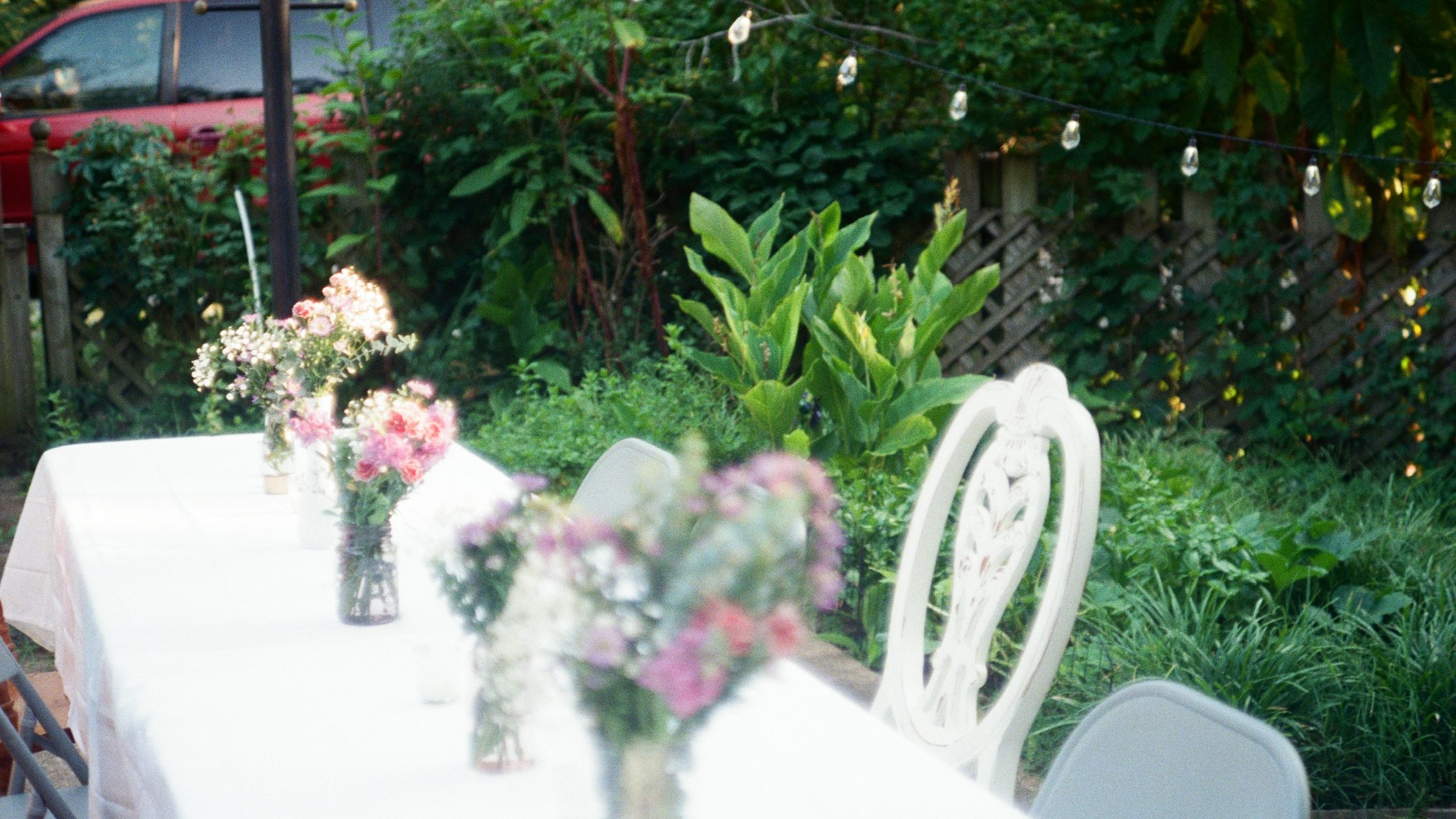
It looks like caring for your home not because someone else depends on it, but because you believe God meets you there, because it is a holy practice that honors the One who entrusts you with what you have. It looks like practicing hospitality, even if it’s simple. Taking care of your space, even if no one sees it. Serving others when it’s inconvenient to you. And, ultimately, honoring the life, responsibilities, and calling that God has given you. These are not “practice rounds” – they are real obedience.
Women are commanded to make their homes and families their priority. But what does it look like to be obedient in that area when we are not yet married or mothers? What does it look like to be obedient in this command when we still live at home with our parents? All in all, it looks like practicing good habits now, no matter what the circumstances of your life look like. It looks like keeping your space – however big or small – tidy. It looks like striving to create a peaceful environment wherever it is that you live. It looks like learning to be a good steward of your finances. It looks like learning and practicing hospitality in different capacities. It looks like serving those around you as much and as often as you can.
If marriage or motherhood comes, you will not suddenly become a homemaker overnight. You will simply extend the habits you have already been faithful in. And if your life unfolds differently than you imagined, the work will not have been wasted. God does not waste faithfulness.
Homemaking is not about earning a role – it is about responding to a calling. A calling to tend, to order, to welcome, to create spaces where God’s peace can dwell — starting with your own.
So if you are single, you are not late to the work. You are already in it. Every meal cooked with care, every space tended with intention, every act of hospitality offered in faith matters.
Homemaking doesn’t begin when your life fills with people. It begins when you believe that the life God has given you now is worthy of devotion.
 The Hospitable Heart
Leave a comment